Cashmere Script: Elevating Handmade Designs with Feminine Elegance
As I sat down to design a new line of candle labels for my small shop, I knew the font I chose would set the tone. I wanted something soft yet confident—something that whispered luxury without shouting. That’s when I opened up my design software and typed out a sample line in Cashmere Script. Instantly, the text felt like it belonged on a boutique shelf, not just on my screen. The smooth, flowing curves and monoline strokes gave the label a chic, handmade look that matched the essence of my brand.
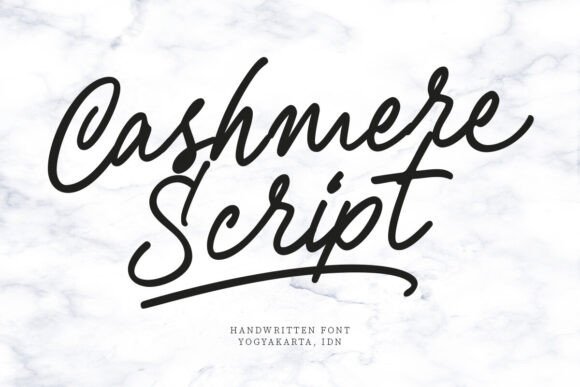
Cashmere Script is a modern, casual handwriting font that radiates effortless femininity and understated sophistication. Unlike bolder script fonts, it carries a delicate balance between elegance and approachability. Its monoline structure means it doesn’t rely on thick-thin contrast, which gives it a more contemporary and versatile feel. Whether you're designing a minimalist wedding invitation or a whimsical greeting card, this font adapts beautifully to the mood you're aiming for.
From Labels to Invitations: Real Uses for Cashmere Script
I first used Cashmere Script for a set of botanical candle labels. The font complemented the organic shapes of the illustrations perfectly. It wasn’t too busy, yet it had enough character to stand out. When printed on matte sticker paper, the font’s clean lines held up beautifully even at smaller sizes. I also tested it on a series of boutique-style product tags for handmade soaps. Paired with a simple sans serif for the body text, Cashmere made the product names feel special—like each tag was a little handwritten note from me to the customer.
Wedding stationery is another area where Cashmere Script shines. I recently created a digital download set for bridal shower invitations, and the font added just the right amount of romance without feeling overly formal. It’s ideal for names, dates, and event titles where you want a personal, elegant touch. The same goes for welcome boards and seating charts—Cashmere Script makes the details feel curated and intimate.
Perfect for Short Text, Big Impact
One thing I’ve learned as a printable creator is that not every font works well for all text lengths. Cashmere Script is best suited for short phrases, titles, names, and decorative text rather than long paragraphs. Because of its flowing style, it reads beautifully in headlines and accent text but can become less legible when used for extended copy. This makes it perfect for product packaging, signage, and social media graphics where you want to catch attention quickly.
For example, I designed a set of holiday tags for gift wrapping using Cashmere Script. The font worked wonderfully for the recipient names and seasonal greetings. It also looked stunning on a farmhouse-style wall sign I made for a client—especially when paired with a rustic wood background. The key is to use it where you want to evoke warmth and personality without overwhelming the design.
Designing with Cashmere: Pairing and Readability Tips
When using Cashmere Script in your projects, consider how it pairs with other fonts. I often combine it with a clean sans serif like Montserrat or Lato for supporting text. This contrast helps Cashmere stand out while keeping the overall design balanced. If you’re going for a more vintage or editorial look, a simple serif like Playfair Display can work beautifully alongside it.
Readability is crucial, especially when working with cutting machines or printing small stickers. I always test Cashmere Script at various sizes before finalizing a design. At 12pt or above, it maintains its grace and clarity, but anything smaller than 8pt starts to lose definition. For product labels and tags, I recommend using it for short text and ensuring there’s enough contrast between the font and background.
Branding and Digital Use: From Mugs to Printables
Cashmere Script isn’t just for printed items—it’s also a strong contender for digital design. I use it often in digital mockups for product previews, especially for Etsy shop banners and listing images. It adds a soft, inviting feel that draws the viewer in. When designing SVG templates for Cricut or Silhouette users, I include Cashmere Script as a suggested font for names and quotes because it cuts well and retains its charm in both vinyl and paper formats.
For physical merchandise like mugs, tote bags, and t-shirts, Cashmere Script works best when used as a decorative accent rather than a main headline. I recently printed it on a white ceramic mug with gold ink, and the result was stunning—elegant, modern, and slightly playful. The font’s monoline structure makes it ideal for embroidery and heat transfer applications, where too much detail can get lost.
What to Look for When Using Cashmere Script Commercially
If you’re a maker or seller using Cashmere Script in your designs, always check the licensing terms. Most premium script fonts like Cashmere come with commercial use permissions, but it’s important to confirm whether they allow use in physical products, digital templates, and printables. Also, look for versions with alternates, ligatures, and swashes to add variety to your text and avoid repetition in larger projects.
Another thing to consider is file format and multilingual support. I always download the OTF and TTF versions for compatibility across design platforms. If your audience includes non-English speakers or you plan to expand your product line, having extended character sets is essential.
Final Touch: Bringing Your Creative Vision to Life
Whether you're creating greeting cards, packaging, or digital downloads, Cashmere Script adds a layer of sophistication that feels both modern and timeless. It's the kind of font that makes your work feel more personal, more intentional. As a maker, I appreciate how it enhances the emotional appeal of a product—turning a simple label into something memorable.
So next time you're preparing a new design or updating your shop branding, consider how Cashmere Script can elevate your aesthetic. From boutique packaging to seasonal printables, this font is more than just a typeface—it's a design asset that brings your creative story to life.